
Main page content
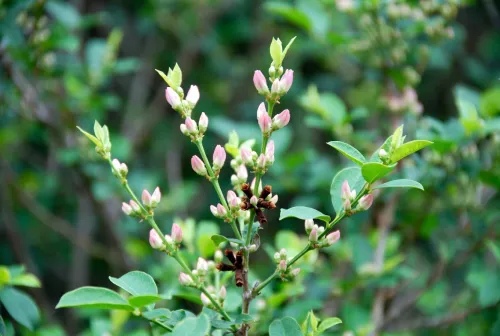
Clove (Syzygium aromaticum) is one of the oldest and most potent medicinal spices in the world, with a therapeutic history spanning ancient India, China, and the Middle East. Its dried flower buds contain the highest eugenol concentration of any commonly used botanical — making clove essential oil one of the most potently analgesic, antimicrobial, and anti-inflammatory ingredients in the natural product toolkit.
Key Benefits of Clove
- Eugenol, clove's primary active compound (comprising up to 90% of the essential oil), is a clinically validated local anesthetic and anti-inflammatory agent. (PubMed reference)
- One of the most potent natural antiseptics and antimicrobials available — clove oil inhibits bacteria, fungi, and viruses with effectiveness comparable to many synthetic disinfectants.
- Provides genuine topical pain relief — used for millennia as a dental anesthetic and muscle rub; eugenol numbs and soothes localized pain effectively.
- Demonstrates antioxidant activity among the highest of all botanicals — clove consistently tops ORAC antioxidant charts, far exceeding most fruits and herbs.
- Creates a distinct warming, tingling sensation on the skin that signals increased circulation and active analgesic compounds at work.
- Used in Ayurvedic medicine (Lavanga) and TCM as a warming herb for cold-type pain, poor digestion, and low vitality.
- Works powerfully with other warming botanicals — cinnamon, ginger, and black pepper — in compound heating balms for muscle and joint relief.
Clove is ancient medicine in a small bud — extraordinarily concentrated, powerfully therapeutic, and unmistakably itself. Used at proper concentrations in skilled formulations, it is one of the most effective natural analgesics available outside a pharmacy.
Traditional Chinese Medicine (TCM) Perspective
Dīng Xiāng (丁香) — Clove — is one of TCM's primary herbs for warming the middle Jiao and descending rebellious Stomach Qi. Its unique combination of strong warming and descending actions makes it irreplaceable for Cold-pattern nausea, hiccough, and vomiting.
- Chinese Name: Ding Xiang (丁香) — Clove
- Nature & Flavor: Warm; Pungent
- Meridians Entered: Stomach, Kidney, Spleen
- Key TCM Actions: Warms the middle Jiao, descends rebellious Qi (stops hiccough, nausea, vomiting), warms the Kidneys and assists Yang, relieves pain from Cold obstruction.
Clove's anti-hiccough action is so reliable in TCM that Dīng Xiāng Shì Dì Tāng (丁香柿蒂汤) — Clove and Persimmon Calyx Decoction — has been used for persistent hiccough for over 1,000 years. Its topical analgesic and antimicrobial effects are an expression of its strongly warming, moving nature at the surface level — dispersing Cold-Damp accumulations from the skin and underlying tissues.
Shan et al. (2005) measured clove as having the highest antioxidant capacity of 26 commonly studied spices (ORAC value 290,283 µmol TE/100 g). Bae & Kim (2013) showed that an infusion of 1–2 whole cloves per cup of tea reduced markers of post-meal oxidative stress. One whole clove provides approximately 100 mg eugenol — the hepatotoxic threshold in adults is around 1,500–3,000 mg; culinary doses are very safe.
Post-Meal Antioxidant Clove Tea
- 2 whole cloves, lightly crushed (releases more eugenol) + 1 Ceylon cinnamon stick.
- 250 ml just-boiled water. Steep 10 minutes, covered.
- Add raw honey. Drink after the main meal.
Research note: Crushing or cracking cloves before steeping increases eugenol extraction by approximately 60 %. Do not exceed 5–7 cloves/day as a regular supplement — eugenol becomes hepatotoxic at higher sustained doses. Clove is also a potent mild anticoagulant; avoid therapeutic doses alongside blood-thinning medications.
Before you use this: Eugenol, clove's primary active compound, has anticoagulant properties — avoid combining with warfarin, aspirin, or other blood-thinning medications. Do not exceed 5–7 cloves/day on a regular basis; sustained higher doses are hepatotoxic. Clove essential oil is significantly more concentrated than whole cloves and can cause severe mucosal burns and toxicity — this recipe uses only whole culinary cloves, not the oil. A rare clove allergy exists, particularly in those with allergy to balsam of Peru. The information on this page is for educational purposes only and does not constitute medical advice. Every person's health is unique — before incorporating any herb or botanical into your routine, especially if you are pregnant, nursing, managing a health condition, or taking prescription medications, please consult a qualified integrative health professional.


