
Main page content
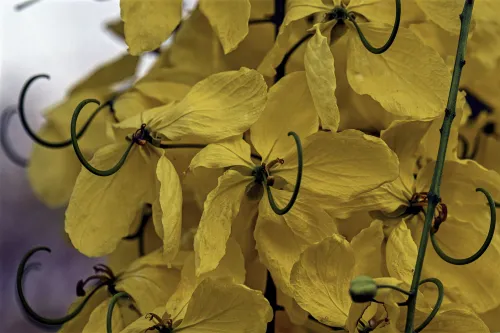
Cassia (Cinnamomum cassia) — sometimes called Chinese cinnamon — is one of the oldest spices in recorded history, mentioned in Chinese texts dating back to 2700 BC and in the Egyptian medical papyri as both a flavoring agent and a medicinal plant. Closely related to true cinnamon (C. verum), cassia carries a stronger, more robust warming character and a particularly rich content of cinnamaldehyde — its primary bioactive compound.
Key Benefits of Cassia
- High in cinnamaldehyde, which delivers potent warming, anti-inflammatory, and antimicrobial effects — shown in multiple studies to inhibit pathogenic bacteria and fungi. (PubMed reference)
- Creates a deep, sustained warming sensation on the skin — increases local circulation and blood flow, making it valuable in muscle rubs, warming balms, and joint formulations.
- Traditionally used in Chinese medicine (TCM) to warm the meridians, dispel cold, and support Yang energy — revered for its ability to move stagnant energy and relieve cold-type pain.
- Powerful natural antimicrobial — cassia's essential oil demonstrates broad-spectrum activity against many common skin surface bacteria.
- Its rich, spicy-sweet scent is warming and comforting — used in aromatherapy to support confidence, warmth, and motivation.
- Supports healthy circulation — traditionally used to warm cold extremities and encourage movement of blood to peripheral tissues.
Cassia is the warming fire of the botanical world. Used with care and respect for its potency, it brings deep, penetrating heat to areas of tension and cold — an ancient warming remedy now beautifully at home in modern natural topical formulations.
Traditional Chinese Medicine (TCM) Perspective
Cassia is home to some of the most important herbs in all of Chinese medicine. Ròu Guì (肉桂 — Cassia Bark) is one of the foremost warming tonics for Kidney Yang and Ming Men Fire, while Guì Zhī (桂枝 — Cassia Twig) is a leading herb to warm and unblock the channels and release the Exterior.
- Chinese Name: Rou Gui (肉桂) — Cassia Bark; Gui Zhi (桂枝) — Cassia Twig
- Nature & Flavor: Hot; Pungent, Sweet
- Meridians Entered: Heart, Kidney, Liver, Spleen
- Key TCM Actions: Warms and tonifies Kidney Yang, strengthens Ming Men (Gate of Life) Fire, disperses interior Cold, unblocks the channels, invigorates Blood, relieves pain from Cold obstruction.
Rou Gui is considered the "fire of the life gate" herb — used when deficiency Cold has reached the deepest constitutional level, manifesting as cold limbs, low libido, chronic fatigue, and weak low back. It is simultaneously one of TCM's most tonifying AND most moving herbs, which is rare. The Gui Zhi form shares this channel-warming action and is foundational in the classical formula Guì Zhī Tāng, one of the oldest and most important prescriptions in Chinese herbal medicine.
Cassia bark (Cinnamomum cassia / aromaticum) was the cinnamon used in Khan et al.'s landmark 2003 RCT showing 1–6 g/day reduced fasting glucose 18–29 % and LDL 7–27 % in 40 days. However, cassia contains significantly higher coumarin levels than Ceylon cinnamon — the European Food Safety Authority set a tolerable daily intake of 0.1 mg coumarin per kg body weight, which equates to approximately 0.5–1 g cassia bark/day for a 70 kg adult as a safe daily ceiling for long-term use.
Cassia Chai Blend
- One small piece cassia bark (equivalent to ¼ tsp ground cassia, ~0.5 g) per cup.
- 2–3 cardamom pods + 3 slices fresh ginger + 200 ml boiled water or milk.
- Simmer 5 minutes, strain, add honey.
- Limit to 1–2 cups/day for regular use.
Research note: For therapeutic daily doses of 1–3 g, switch to Ceylon cinnamon (Cinnamomum verum), which contains 250× less coumarin. Cassia is appropriate for occasional use and culinary quantities. Do not use cassia therapeutically with hepatic conditions or blood-thinning medications.
Before you use this: Cassia bark contains significantly higher coumarin levels than Ceylon cinnamon. Coumarin is hepatotoxic at sustained higher doses — the European Food Safety Authority set a tolerable daily intake of 0.1 mg/kg/day, limiting safe regular cassia intake to approximately 0.5–1 g/day for a 70 kg adult. Do not use cassia bark at therapeutic supplementation doses long-term; switch to verified Ceylon cinnamon for daily use. Avoid if you have liver conditions or are taking anticoagulants. The information on this page is for educational purposes only and does not constitute medical advice. Every person's health is unique — before incorporating any herb or botanical into your routine, especially if you are pregnant, nursing, managing a health condition, or taking prescription medications, please consult a qualified integrative health professional.


