
Main page content
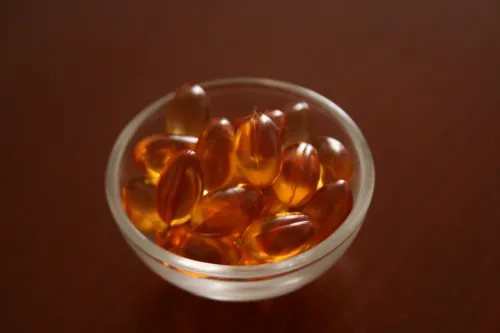
Vitamin E (primarily alpha-tocopherol) is arguably the most important fat-soluble antioxidant in human skin — and the most fundamental antioxidant ingredient in natural skincare formulation. Found naturally in plant oils, nuts, and seeds, Vitamin E protects cell membranes from oxidative damage, supports wound healing, and — perhaps most critically for formulators — protects oils and fat-soluble active ingredients from rancidity and oxidative degradation throughout a product's shelf life.
Key Benefits of Vitamin E
- The skin's most important fat-soluble antioxidant defense — alpha-tocopherol in the stratum corneum is specifically depleted by UV exposure and environmental pollutants, making topical replenishment genuinely important for skin protection. (PubMed reference)
- Works synergistically with Vitamin C — the two antioxidants regenerate each other, creating a more powerful combined protection than either provides alone; this synergy is one of the most well-validated in skincare science.
- Clinical evidence supports Vitamin E's role in reducing UV-induced oxidative damage when applied topically before sun exposure — acting as a photo-protective adjunct.
- Accelerates wound healing and scar reduction — Vitamin E supports cellular membrane repair, reduces excessive scar tissue formation, and maintains healthy skin texture during recovery.
- A natural antioxidant preservative in formulations — Vitamin E oil extends the shelf life of plant-based products by protecting unsaturated fatty acids in carrier oils from oxidative rancidity.
- Provides intense emollient moisture — tocopherol's lipid-soluble character integrates deeply into the skin's barrier, conditioning and softening from within.
- Studied for benefits in eczema, psoriasis, and inflammatory skin conditions — its antioxidant and barrier-supporting properties reduce the oxidative component of chronic skin inflammation.
Vitamin E is the quiet guardian of natural skincare — protecting both the skin that wears a product and the formulation itself from oxidative damage. No serious natural body care preparation is complete without it; it is the essential ingredient that makes everything else last and work as it should.
Traditional Chinese Medicine (TCM) Perspective
Vitamin E (tocopherols) is a modern nutritional compound without a direct TCM equivalent, but its antioxidant, Yin-preserving, tissue-protecting functions correspond closely to TCM's class of herbs that nourish Blood, tonify Yin, and protect the vital essence (Jing) from oxidative depletion.
- TCM Classification (functional): Yin and Blood tonic; Jing-preserving antioxidant; closely related to Dang Gui (当归) and Gou Qi Zi (枸杞子) in functional action
- Nature & Flavor (functional): Neutral; Sweet, slightly Oily
- Meridians Entered (functional): Liver, Kidney, Heart, Lung
- Key TCM Actions: Nourishes and tonifies Blood (antioxidant protection of blood cells), preserves Yin and Jing from depletion, nourishes the skin at the deepest fluid layer, calms Wind from Blood deficiency (skin inflammation), protects Heart Yin.
In TCM, the aging of the skin is understood as progressive Kidney Jing (essence) depletion combined with Liver Blood deficiency — the two resources that nourish the skin from within. Vitamin E's role as the body's primary fat-soluble antioxidant — protecting cellular membranes from oxidative damage — corresponds precisely to TCM's concept of "preserving Jing and preventing premature depletion." Herbs like Gou Qi Zi (枸杞子 — Goji Berry) and Sang Shen (桑椹 — Mulberry) are TCM's primary Jing-preserving, skin-nourishing antioxidant tonics — Vitamin E occupies the same therapeutic niche in modern integrative medicine.
Stampfer et al. (1993) Nurses' Health Study demonstrated that dietary Vitamin E (from food sources) was more protective for cardiovascular health than isolated supplements. The most bioavailable Vitamin E food sources: sunflower seeds (7.4 mg alpha-tocopherol per 30 g), almonds (7.3 mg per 30 g), wheat germ oil (20 mg per tbsp). The Recommended Dietary Allowance is 15 mg/day; the therapeutic range in studies for specific conditions is 400–800 IU (268–537 mg), but food-source evidence is consistently stronger than supplement-only trials for long-term health outcomes.
Vitamin E Food-Source Power Snack
- 30 g sunflower seeds (unsalted, raw or lightly toasted) — 7.4 mg Vitamin E.
- 30 g almonds — 7.3 mg Vitamin E.
- 1 tsp sunflower oil drizzled on a side salad — 5.6 mg Vitamin E.
- Total: ~20 mg alpha-tocopherol — 133 % of the RDA from whole food sources.
Research note: Natural vitamin E from food contains all 8 tocopherol and tocotrienol forms that work synergistically. Isolated alpha-tocopherol supplements at high doses (>1 000 mg/day) can paradoxically deplete gamma-tocopherol, which has unique anti-inflammatory properties not shared by alpha-tocopherol. Absorption requires fat — eat the snack with a meal rather than alone, or add an olive oil drizzle. Heat and air exposure rapidly oxidise Vitamin E; store seeds/nuts in a sealed container away from light and heat.
Before you use this: The food-source recipe described above is very safe for the vast majority of people. Do not extrapolate this to high-dose isolated Vitamin E supplements — meta-analyses of supplemental Vitamin E above 400 IU/day have shown increased all-cause mortality and increased bleeding risk. The risk applies to isolated alpha-tocopherol supplements, not to food sources. Natural dietary Vitamin E from seeds, nuts, and oils contains the full tocopherol and tocotrienol family in their synergistic ratios; isolated supplements do not replicate this. Those on warfarin should maintain a consistent Vitamin E intake from food rather than dramatically varying it week to week. The information on this page is for educational purposes only and does not constitute medical advice. Every person's health is unique — before incorporating any herb or botanical into your routine, especially if you are pregnant, nursing, managing a health condition, or taking prescription medications, please consult a qualified integrative health professional.


