
Main page content
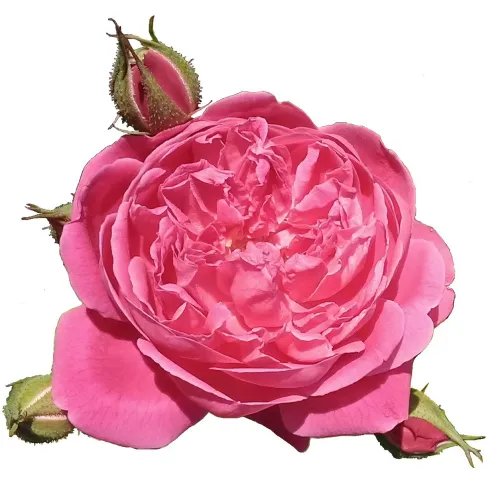
Rose (Rosa damascena, R. centifolia) is the most iconic and beloved botanical in the history of human civilization — used in medicine, perfumery, religion, and art for over 5,000 years across Persia, Greece, Rome, Arabia, and the courts of Europe. Rose hip oil, rose water, and rose essential oil each deliver distinct and extraordinary benefits to skin and spirit — combining one of nature's most exquisite fragrances with genuine, research-supported therapeutic power.
Key Benefits of Rose
- Rose hip seed oil contains the highest natural concentration of trans-retinoic acid (Vitamin A) among plant oils — supporting cell regeneration, reducing hyperpigmentation, and improving the appearance of scars and fine lines. (PubMed reference)
- Rich in linoleic acid (omega-6) and alpha-linolenic acid (omega-3) — essential fatty acids that restore the skin's lipid barrier, hydrate deeply, and calm inflammatory skin conditions.
- Rose water is a natural astringent, toner, and anti-inflammatory — soothing redness, tightening pores, and refreshing skin with a gentleness unmatched by any synthetic alternative.
- Contains gallic acid, quercetin, and ellagic acid — polyphenols that inhibit UV-induced oxidative stress, support collagen integrity, and protect against premature aging.
- In aromatherapy, rose essential oil is among the most deeply emotionally restorative botanicals — studies show significant reductions in grief, anxiety, and emotional pain with rose oil aromatherapy.
- Traditional Persian and Ayurvedic medicine used rose for heart health, skin conditions, nervous system support, and as a cooling remedy for heat-related conditions.
- Its irreplaceable fragrance — the archetype of floral beauty — carries millennia of human emotional association with love, beauty, and the sacred, enriching every formulation it enters.
Rose is not an ingredient — it is a relationship. Five thousand years of human love and reverence for this flower is contained in every drop of rose oil and every distillation of rose water. Its skin benefits are profound and real, but the emotional resonance it carries elevates any formulation from cosmetic to something genuinely meaningful.
Traditional Chinese Medicine (TCM) Perspective
Méi Guī Huā (玫瑰花) — Rose — is one of TCM's most beloved aromatic flowers for moving Liver Qi, harmonizing Blood, and resolving emotional constraint. It occupies a special place in TCM's emotional medicine as the herb most associated with grief, unresolved longing, and the Heart-Liver axis of emotional processing.
- Chinese Name: Mei Gui Hua (玫瑰花) — Rose; Yue Ji Hua (月季花) — China Rose
- Nature & Flavor: Warm; Sweet, slightly Bitter
- Meridians Entered: Liver, Spleen
- Key TCM Actions: Moves Liver Qi and resolves emotional constraint and depression, harmonizes Blood and regulates menstruation, reduces swelling and disperses accumulations, stops pain.
Rose is the quintessential "Heart-Liver bridge" herb in TCM — it simultaneously releases the Liver's contracted, stagnant Qi while nourishing and softening the Heart's emotional response. In TCM's understanding of grief and unprocessed emotion, these tend to collect in the Liver (manifesting as frustration, depression, and tightness in the chest) and eventually tax the Heart (manifesting as sadness, tearfulness, and insomnia). Rose directly addresses this joint pattern through its dual warm-moving and sweet-nourishing properties.
Warholm et al. (2003) and Rein et al. (2004) RCTs: 5 g/day rosehip powder (Rosa canina) significantly reduced knee OA pain over 3–4 months. Rosehips contain 400–500 mg Vitamin C per 100 g — one of the highest concentrations in any plant food. The Vitamin C content degrades rapidly above 70 °C; use water below boiling for maximum preservation.
Rose Hip & Petal Tea
- 2 tsp dried rosehips (Rosa canina, not ornamental rose) — lightly crush before steeping.
- 1 tsp dried rose petals (food-grade, unsprayed).
- 250 ml water at 80–85 °C (just off the boil, rested 3 minutes).
- Steep 10–15 minutes, covered.
- Add juice of ¼ lemon to boost Vitamin C and enhance flavour. Sweeten with honey if desired.
- Drink 2 cups/day.
Research note: Rosehips (the fruit) are the therapeutically active part; rose petals add mood and aroma benefit (phenylethylamine content) but do not deliver the anti-inflammatory dose alone. The OA study by Rein et al. used a cold-press rosehip powder that preserved the galactolipid GOPO — this compound is heat-sensitive and is the proposed primary anti-inflammatory mechanism. For maximum therapeutic effect, rosehip powder supplement (cold-processed) is superior to tea for the OA application.
Before you use this: Rose hips have a mild anticoagulant effect at the 5 g/day dose used in OA studies — avoid combining with warfarin or other blood thinners without monitoring. The high Vitamin C content of rosehips can significantly increase non-haem iron absorption — those with haemochromatosis or iron-overload conditions should be cautious. Rose hip seeds contain fine silica hairs that can irritate the digestive tract if not strained thoroughly; always strain through a fine-mesh strainer or cloth. Use only organic, pesticide-free petals and hips for the tea. A rare rose allergy exists. The information on this page is for educational purposes only and does not constitute medical advice. Every person's health is unique — before incorporating any herb or botanical into your routine, especially if you are pregnant, nursing, managing a health condition, or taking prescription medications, please consult a qualified integrative health professional.


