
Main page content
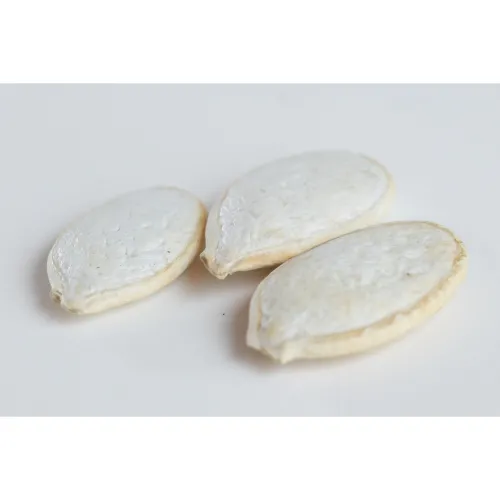
Pumpkin (Cucurbita pepo) is one of the most versatile and nutrient-dense plants in nature — and in skincare, pumpkin seed oil and fruit enzymes deliver a remarkable combination of Vitamin A activity, antioxidants, and natural exfoliation that rivals many expensive pharmaceutical treatments. Native to the Americas, pumpkin has been used as food and medicine by Indigenous peoples for over 10,000 years — and modern skincare science has confirmed the extraordinary value of its bioactive compounds.
Key Benefits of Pumpkin
- Among the richest natural sources of beta-carotene (provitamin A) among all vegetables — supporting cell renewal, smooth skin texture, and the reduction of fine lines and dullness with regular use. (PubMed reference)
- Pumpkin seed oil is exceptionally rich in zinc — a mineral critical for wound healing, sebum regulation, and maintaining a clear complexion free from breakouts.
- Natural proteolytic enzymes in pumpkin flesh dissolve dead skin proteins and surface debris, delivering professional-grade enzymatic exfoliation that reveals fresher, smoother skin.
- Rich in Vitamins C and E together — a synergistic antioxidant pairing that protects collagen from degradation and supports a firm, resilient skin structure.
- Contains phytosterols and essential fatty acids in its seed oil that deeply nourish the skin barrier and support lasting moisture retention.
- The concentrated carotenoid content gives pumpkin formulations a natural, warm color and contributes visible antioxidant protection against environmental aging.
- A traditional harvest medicine across North and Mesoamerican cultures — used for skin wounds, burns, and inflammation by the peoples who cultivated and honored this plant for millennia.
Pumpkin is the great autumnal bounty of natural skincare — rich, nourishing, and genuinely powerful in its exfoliating and antioxidant action. From the indigenous gardens of the Americas to modern apothecary shelves, it remains a celebration of what whole-plant nutrition can do for the skin.
Traditional Chinese Medicine (TCM) Perspective
Pumpkin (Nán Guā, 南瓜) and its seeds (Nán Guā Zǐ, 南瓜子) have distinct roles in TCM. The flesh tonifies Qi and warms the Spleen, while the seeds are a classical antiparasitic remedy with Spleen-tonifying properties.
- Chinese Name: Nan Gua (南瓜) — Pumpkin; Nan Gua Zi (南瓜子) — Pumpkin Seeds
- Nature & Flavor: Warm; Sweet
- Meridians Entered: Spleen, Stomach
- Key TCM Actions: Tonifies Qi and warms the Spleen and Stomach (flesh), expels parasites particularly tapeworm and roundworm (seeds), reduces inflammation, supports the male reproductive system (seeds — through Kidney Yang tonification).
Pumpkin seed oil's zinc content and affinity for prostate health reflect the TCM action of tonifying Kidney Yang and supporting the reproductive organ system. In TCM's five-element framework, sweet, warm, yellow foods like pumpkin nourish the Spleen-Earth element — the center of the body's transforming and nourishing function. The seeds' beta-sitosterol action on prostate tissue corresponds to the classical TCM concept of "softening hardness and dispersing accumulations through Kidney channel herbs."
Gossell-Williams et al. (2011) RCT: 5 g pumpkin seed extract significantly reduced menopausal symptoms after 12 weeks. Vahlensieck et al. (2015): 500 mg pumpkin seed extract 2× daily reduced overactive bladder. Mortazavi et al. (2018): 30 g/day pumpkin seeds combined with flaxseed significantly reduced BPH symptom score. Beta-sitosterol is the primary active compound; it is heat-stable but fat-dependent for absorption.
Daily Toasted Pepita Snack
- 30 g raw hulled pumpkin seeds (pepitas) — weigh it once to calibrate a "handful" for daily use.
- Toast dry in a pan for 2–3 minutes until lightly golden. No oil needed (they are already ~50 % fat).
- Season with ½ tsp cumin + pinch of cayenne + sea salt, or eat plain.
- Eat as a daily snack, ideally with a small amount of fat-containing food (enhances beta-sitosterol absorption).
Research note: Do not deep-fry — the high heat (>180 °C) oxidises the polyunsaturated fats. Raw seeds preserve the most beta-sitosterol; light toasting improves palatability without meaningful nutrient loss. Pumpkin seeds are among the richest food sources of zinc — the mineral most critical to prostate and immune function — providing ~23 % DV per 30 g serving.
Before you use this: Pumpkin seeds are very safe at food quantities. Those with prostate cancer or hormone-sensitive conditions should discuss regular pumpkin seed supplementation with their oncologist before beginning — phytosterols and zinc have hormonal activity. Pumpkin seeds are high in calories (~180 cal per 30 g) and contain a moderate amount of oxalates — those with a history of calcium-oxalate kidney stones should moderate intake. A rare pumpkin allergy exists, most commonly as a cross-reaction to other gourd family (Cucurbitaceae) allergies. The information on this page is for educational purposes only and does not constitute medical advice. Every person's health is unique — before incorporating any herb or botanical into your routine, especially if you are pregnant, nursing, managing a health condition, or taking prescription medications, please consult a qualified integrative health professional.


