
Main page content
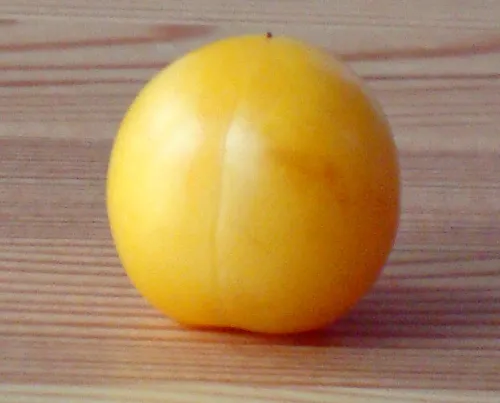
Plum (Prunus domestica) and its wild relatives have been cultivated as both food and medicine since the earliest Chinese civilizations. In natural skincare, plum kernel oil (kakadu plum, Illipe plum, and common plum variants) is gaining recognition as one of the most antioxidant-rich and skin-nourishing carrier oils available — with a fatty acid profile that is exceptionally compatible with mature, dry, and environmentally stressed skin.
Key Benefits of Plum
- Extraordinarily rich in Vitamin C — Kakadu plum (Terminalia ferdinandiana), the Australian wild plum, contains the highest recorded Vitamin C concentration of any known food source — up to 100 times that of oranges. (PubMed reference)
- Plum kernel oil contains high oleic acid content — deeply penetrating, skin-compatible, and exceptional for restoring softness and suppleness to dry or depleted skin.
- Rich in polyphenols and neochlorogenic acid — antioxidants that protect against UV-induced oxidative damage and support even, radiant skin tone.
- Provides natural antimicrobial activity through its phenolic content — supports skin clarity while its fatty acids nourish and restore.
- The softening, rich texture of plum preparations — from fruit enzymes to kernel oil — makes them particularly valued in dry skin, anti-aging, and barrier repair formulations.
- Used in Traditional Chinese Medicine (Mei, the plum) as a cooling, liver-supporting, and beautifying food and medicine — prized for its contribution to a clear, luminous complexion.
- Its sweet-tart aromatic character adds a rich, fruity depth to natural blends — associated with abundance, sweetness, and the pleasures of the late-season harvest.
Plum brings the concentrated nutrition of one of humanity's oldest cultivated fruits to modern skincare — abundant in antioxidants, deeply nourishing in its oil, and enriched by thousands of years of relationship between people and this remarkable tree.
Traditional Chinese Medicine (TCM) Perspective
In Traditional Chinese Medicine, the plum is known as Mei (梅) — a name that encompasses both the fruit and the revered flowering plum tree, one of the most symbolically important plants in the entire Chinese cultural and medicinal tradition. The sour, unripe plum fruit processed by smoking is the classical medicinal preparation known as Wu Mei (乌梅), one of the most important astringent herbs in the Chinese materia medica.
- Chinese Name: Wu Mei (乌梅) — Mume Fruit / Smoked Plum
- Nature & Flavor: Warm; Extremely Sour
- Meridians Entered: Liver, Spleen, Lung, Large Intestine
- Key TCM Actions: Astringes the Lung and stops cough, binds the Intestines and stops diarrhea, generates Body Fluids and alleviates thirst, calms roundworms and relieves abdominal pain, astringes Leakage Qi, cools heat in the Liver channel.
Wu Mei holds a prominent place in the Shang Han Lun, one of Chinese medicine's oldest clinical texts, where it is the sovereign ingredient of the classical formula Wu Mei Wan — still used today for chronic digestive weakness, parasitic conditions, and the complex pattern known as Jue Yin disorder. Beyond its pharmacological applications, the flowering plum (Mei Hua) is celebrated in TCM and Chinese culture as a symbol of resilience and purity — blooming in winter cold, it is said to embody the capacity to generate beauty and vitality even under conditions of hardship and depletion. Its sour flavor is considered the most deeply nourishing taste for the Liver organ system, supporting the smooth flow of Qi, brightening the eyes, and — in the classical beauty tradition — contributing to a clear, luminous complexion through its action on Liver Blood.
Hooshmand et al. (2011) RCT: 100 g dried prunes/day (approximately 10–12 prunes) prevented bone loss in postmenopausal women over 12 months, confirmed by DEXA bone density scanning. Tinker et al. (2017) confirmed the effect extends to both cortical and trabecular bone. The mechanism involves suppression of bone resorption markers, not just calcium supplementation — the polyphenol chlorogenic acid and sorbic acid are proposed as the active agents.
Prune Bone-Support Daily Snack
- 5–6 dried prunes (~50 g) with breakfast + 5–6 with an afternoon snack = 100 g total.
- Or blend: 8 prunes + 200 ml kefir + 1 tsp vanilla + pinch of cinnamon into a smoothie.
- Soak prunes overnight if digestion is sensitive — soaking also slightly reduces the laxative sorbitol effect.
Research note: Splitting the dose (50 g morning, 50 g afternoon) is more effective than consuming all 100 g at once for maintaining consistent serum polyphenol levels. The study by Hooshmand used specifically Sunsweet-brand Californian prunes (Prunus domestica); while other prune varieties should have similar effects, the research is specific to this variety. Fresh plums require approximately 10 fresh plums to match the polyphenol concentration of 100 g dried.
Before you use this: Dried prunes contain high levels of sorbitol, a poorly absorbed sugar alcohol with strong osmotic laxative effects — introduce the 100 g/day dose gradually over 1–2 weeks to avoid cramps and loose stools. Those on warfarin should maintain consistent prune intake rather than suddenly increasing it; prunes contain significant Vitamin K, which interacts with anticoagulant therapy. Dried prunes are relatively high in natural sugars (approximately 38 g per 100 g) — those managing blood glucose carefully should account for this. The information on this page is for educational purposes only and does not constitute medical advice. Every person's health is unique — before incorporating any herb or botanical into your routine, especially if you are pregnant, nursing, managing a health condition, or taking prescription medications, please consult a qualified integrative health professional.


