
Main page content
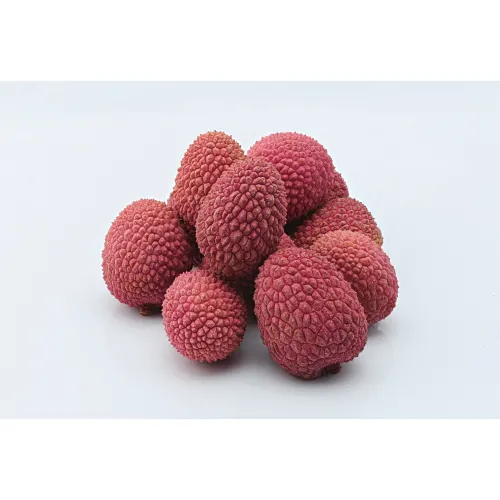
Lychee (Litchi chinensis) is a tropical fruit native to southern China with over 2,000 years of cultivation history in Chinese medicine and culinary tradition. Prized for its intensely sweet, floral flavor and its remarkable antioxidant profile, lychee seed extract and fruit extract are gaining recognition in natural skincare for their exceptional free-radical scavenging capacity and their affinity for supporting healthy, luminous skin.
Key Benefits of Lychee
- Lychee seed extract contains oligonol — a patented low-molecular-weight polyphenol with one of the highest measured antioxidant activities of any natural ingredient, shown to improve skin texture, reduce spots, and support healthy UV response. (PubMed reference)
- High Vitamin C content in fresh lychee fruit — among the highest of all tropical fruits — supports collagen synthesis, skin brightness, and antioxidant defense.
- Contains proanthocyanidins and epicatechin — flavonoids that inhibit inflammation, protect capillary integrity, and support even, healthy skin tone.
- Rich in B vitamins (niacin, riboflavin, folate) — supporting healthy skin cell metabolism and the maintenance of a clear, radiant complexion.
- Its delicate, floral-sweet fragrance is distinctly beautiful — adding an exotic, luminous aromatic quality to natural body care blends.
- Used in traditional Chinese beauty preparations — lychee has long been associated with youthful, radiant skin in Asian cosmetic tradition.
- Provides skin-hydrating humectant activity — the natural sugars and polysaccharides in lychee extract draw and hold moisture in the skin.
Lychee brings the exotic luminosity of tropical China to natural skincare — its extraordinary antioxidant profile, delicate fragrance, and deep cultural association with beauty and vitality make it a distinctive and genuinely functional botanical luxury.
Traditional Chinese Medicine (TCM) Perspective
Lì Zhī (荔枝) — Lychee — is a warm, sweet tropical fruit in TCM that nourishes the Liver, warms the middle Jiao, and stops pain. The seed (Lì Zhī Hé, 荔枝核) is a classical herb for moving Qi and stopping pain in the lower abdominal and genital region.
- Chinese Name: Li Zhi (荔枝) — Lychee; Li Zhi He (荔枝核) — Lychee Seed
- Nature & Flavor: Warm; Sweet, slightly Sour
- Meridians Entered: Spleen, Liver
- Key TCM Actions: Nourishes Liver Blood, warms the middle Jiao, generates Body Fluids, stops pain, disperses Cold accumulation in the Liver channel (seed form).
Lychee occupies an interesting dual role in TCM: the fruit nourishes and warms gently (appropriate for Blood deficiency with Cold), while the seed is a more forceful Qi-moving, Cold-dispersing herb used for hernias, testicular pain, and menstrual pain from Cold accumulation in the Liver channel. This reflects TCM's consistent observation that the seed or kernel of a fruit often has the opposite action to the fruit flesh — dispersing versus tonifying.
Oligonol — the low-molecular-weight lychee seed polyphenol concentrate — has been studied at 100–200 mg/day in standardised extract form. Nishizuka et al. (2007) demonstrated measurable reductions in abdominal fat and improvements in skin texture markers at 100 mg oligonol daily over 12 weeks. Fresh lychee fruit provides a broader polyphenol and Vitamin C matrix; a practical whole-food dose of 8–12 fresh lychee fruits (approximately 100–150 g) daily delivers meaningful Vitamin C (roughly 70–100 mg), proanthocyanidins, and B vitamins consistent with the fruit's antioxidant profile.
Lychee Antioxidant Beauty Tonic
- Blend 10 fresh lychee fruits (peeled and pitted) with 200 ml cold water and the juice of half a lime until smooth.
- Add 1 tsp raw honey and a small pinch of ground ginger to warm the middle Jiao and enhance Qi circulation, then stir well.
- Pour over ice and drink in the morning, ideally 30 minutes before breakfast, to support collagen synthesis and antioxidant defense throughout the day.
- For a concentrated skin-support version, steep 3–4 dried lychee shells and seeds in 300 ml just-boiled water for 10 minutes, strain, and drink as a warm tea.
Research note: Fresh lychee fruit is preferable to canned or syrup-packed lychee, which loses significant Vitamin C and gains added sugar. Lychee seed tea should be prepared from dried, not raw, seeds. Oligonol supplementation is distinct from whole-fruit consumption and should not be conflated with eating fresh lychee.
Before you use this: Lychee is high in naturally occurring sugars and fructose — people managing diabetes, insulin resistance, or blood sugar dysregulation should monitor intake carefully and avoid consuming large quantities on an empty stomach, as hypoglycaemic episodes have been documented in malnourished individuals consuming unripe lychee in excess. Lychee seed preparations (Li Zhi He) are traditionally considered moving and dispersing in nature and should be avoided during pregnancy. Those with known tropical-fruit sensitivities or allergies should perform a patch test before applying lychee extract topically. The information on this page is for educational purposes only and does not constitute medical advice. Every person's health is unique — before incorporating any herb or botanical into your routine, especially if you are pregnant, nursing, managing a health condition, or taking prescription medications, please consult a qualified integrative health professional.


